First proposition
Plant tissue culture begins as a cell-scale thought experiment
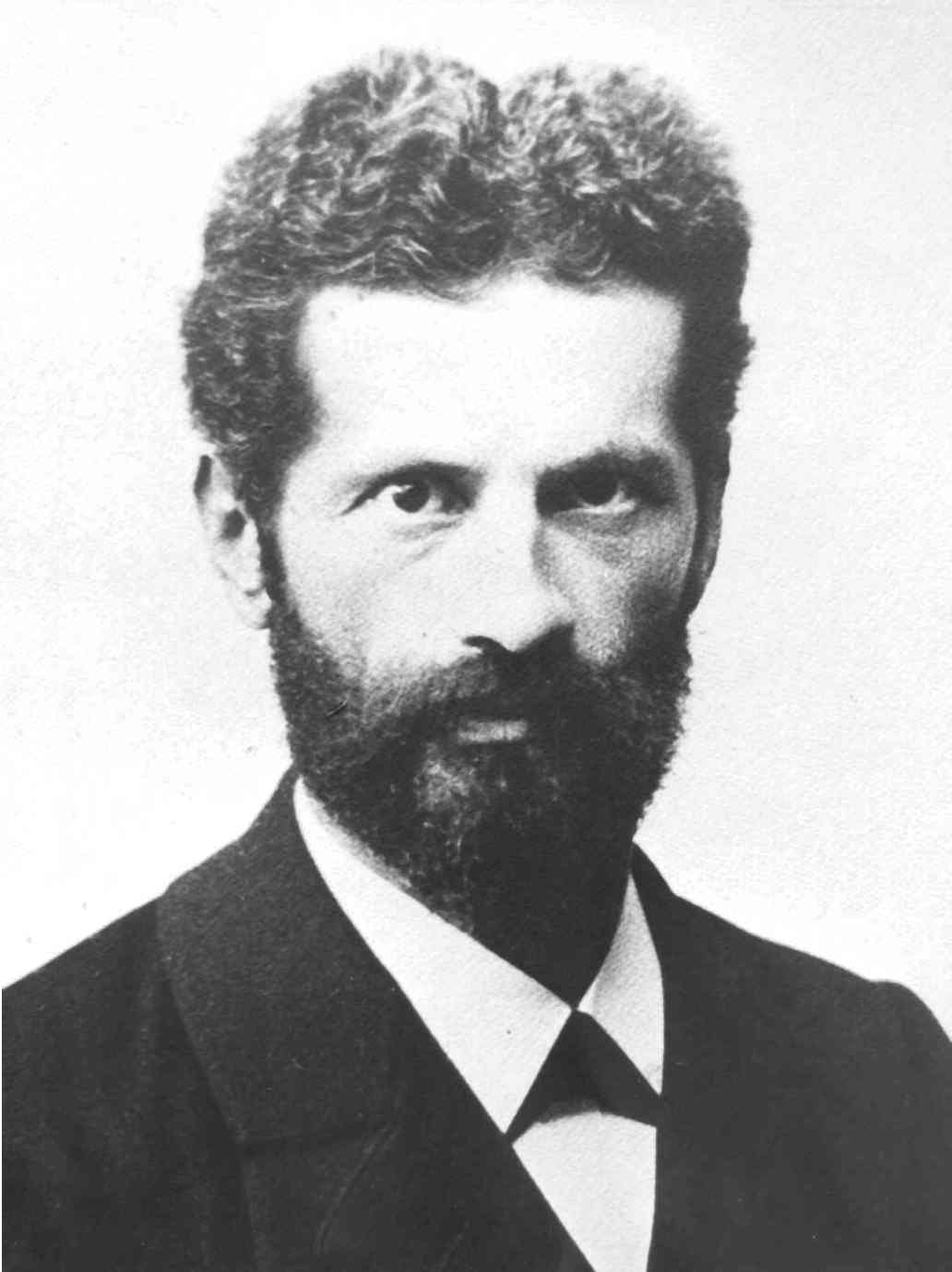
In 1902, Gottlieb Haberlandt approached plants with a modern kind of audacity. If the cell was the basic unit of life, why should a plant cell be understood only as one component inside a visible organ? Why not isolate it, feed it, observe it, and ask whether the whole organism's potential could be read from that small living unit?
The answer did not arrive cleanly. Early isolated cells did not regenerate plants on command, and the chemistry around them was still too crude to make the idea practical. But the question itself changed the field. It gave plant tissue culture a logic that remains familiar to growers today: the smallest sample can matter if its identity, source, medium, and behavior are recorded carefully enough.
That is why this origin story should not be reduced to a single heroic experiment. It is better read as a shift in scale. Haberlandt made the plant cell editorially interesting, experimentally stubborn, and historically unforgettable.
The founding image of plant tissue culture is not a factory. It is a lone cell under observation, refusing to become simple.
Laboratory language
Repeatability arrived through descriptions, not miracles
By the 1930s and 1940s, the field began to sound less speculative and more procedural. Researchers were learning which tissues persisted, which contexts failed, and which observations were worth preserving for the next attempt. Philip R. White's 1943 handbook is useful for that reason: it reads like a field acquiring a shared working language.
White's book matters beyond its age. It sits at the transition between scattered experiments and a laboratory culture that could be taught. Equipment, aseptic handling, media, transfer decisions, and visual assessment all had to be named. The record was no longer a footnote to the experiment. The record was part of how the experiment traveled.
This is where modern growers can feel the early field most directly. When a culture stalls, browns, swells, roots, vitrifies, or quietly holds, the observation is not merely anecdote. It is the thread that lets a future bench decision make sense.
Claims discipline
Totipotency is powerful, but it is not a shortcut around evidence
Totipotency can be a dazzling word. It can also be overused. In editorial terms, it means plant cells opened a new imaginative field. In lab terms, it does not mean every explant will regenerate, every line will behave uniformly, or every culture can be interpreted without context.
The safer lesson is more interesting anyway. Tissue culture became powerful because researchers learned to track conditions and outcomes with discipline: genotype, explant source, stage, medium context, transfer intervals, contamination observations, and the limits of what had actually been shown.
xPlant's language follows that same discipline. It helps a lab track, link, review, and compare tissue culture work. It should not be used to certify sterility, guarantee disease status, or make claims that require independent testing and documented authority.
Bench inheritance
The modern culture room still carries the early question
Look at a contemporary shelf of jars and the early history is still visible. Each vessel asks for a lineage, a stage, a medium context, a transfer history, and a reason someone decided to keep watching.
That is the quiet continuity between Haberlandt's question and today's production lab. The culture is biological, but the workflow is editorial. Someone has to decide what the evidence says, what remains uncertain, and what should happen next.