xPlant Pro
Recipes
FAQ
LoginSign Up
LoginSign Up
  • Recipes
  • FAQ

Your plant cultures, perfectly tracked.

About
  • About XPlant
  • Version History
Get Involved
  • Feedback
  • Join Discussions
Learn
  • History of TC
  • Guides
  • How It Works
  • Tissue Culture FAQ
  • Product Catalog
Fine Print
  • Terms of Service
  • Privacy Policy
  • Cookie Policy
Account
  • Sign up
  • Login
  • Subscriptions
  • Support
© 2026 XPlant / Shmaplex v2.79.1

xPlant Pro Editorial Series

History of Plant Tissue Culture

Five richly illustrated essays tracing the culture room from Haberlandt's isolated cells to micropropagation, conservation, and evidence-aware biotechnology records.
Start the seriesBrowse guides
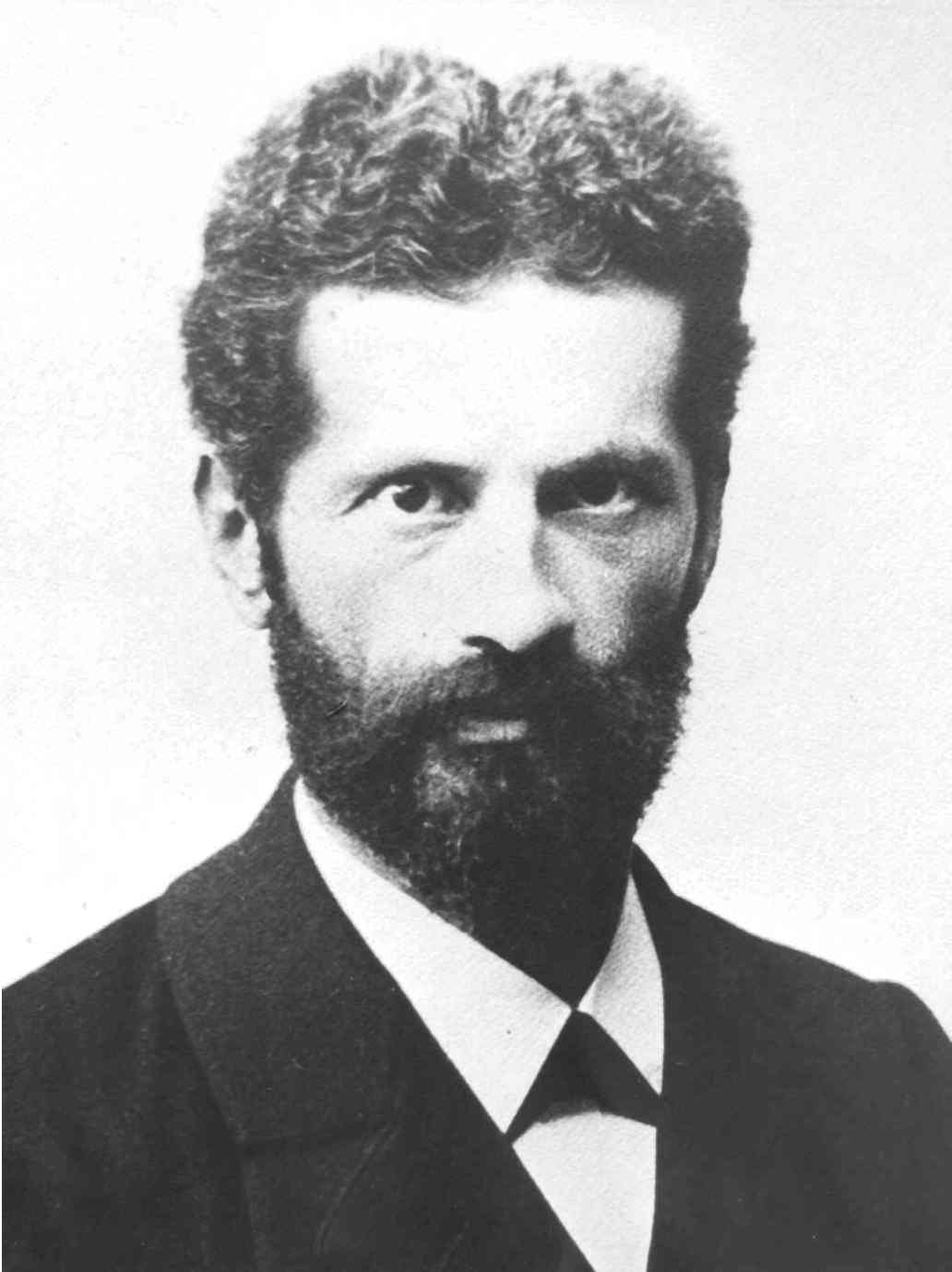
Portrait of Gottlieb Haberlandt, circa 1890
Gottlieb Haberlandt helped frame the question that still gives plant tissue culture its charge: how much of a whole plant is latent in a single living cell?Image: Unknown author, public domain, via Wikimedia Commons.

Editorial standard

Historical, visual, and claims-aware

Each essay uses source-linked imagery, visible credits, and careful tissue-culture language. The series treats records as part of the science: media, lineage, stage, transfer history, observations, and uncertainty all stay in view.

Gottlieb Haberlandt helped frame the question that still gives plant tissue culture its charge: how much of a whole plant is latent in a single living cell?Image: Unknown author, public domain, via Wikimedia Commons.

1902-1943

The Cell That Imagined a Plant

Before plant tissue culture became a production workflow, it was a question with almost reckless elegance: could an isolated living plant cell reveal the potential of the whole organism?

Read article
By the late twentieth century, media work had moved from improvised glassware into production-like benches where plantlets, recipes, and observations all had to stay synchronized.Image: Scott Bauer / USDA Agricultural Research Service, public domain.

1940-1960

The Recipe Becomes an Instrument

Nutrient media and growth regulators transformed plant tissue culture from a fragile aspiration into a tunable system where shoots, roots, callus, and records began to speak to each other.

Read article

Reading path

  1. 01MediaNutrient media, hormones, callus, and organ formation
  2. 02MicropropagationMeristem culture, orchids, and commercial multiplication
  3. 03ConservationGermplasm conservation, slow growth, clean-stock records
Orchid micropropagation turned the culture room into a place where identity, timing, and multiplication had to be managed as carefully as the medium.Image: ProjectManhattan, CC BY-SA 3.0, via Wikimedia Commons.

1949-1970

When One Plant Became a Roomful

Orchid meristems, clonal propagation, and commercial culture rooms changed tissue culture from an experimental art into a production discipline built around identity, timing, and repetition.

Read article
Vegetatively propagated crops made conservation a living problem: collections had to preserve accessions that could not simply be dried, frozen as seed, and forgotten.Image: Luigi Guarino, CC BY 2.0, via Wikimedia Commons.

1970-present

The Genebank Inside the Jar

In vitro conservation and germplasm storage turned tissue culture into a long-term promise: keep living diversity usable, traceable, and ready for careful distribution.

Read article
Transformation made the culture record even more evidentiary: the question was no longer only what grew, but what event, vector context, assay, and observation belonged together.Image: Seb951, CC BY-SA 3.0, via Wikimedia Commons.

1980-present

The Culture Record Enters Biotechnology

Agrobacterium, transformation events, regenerated plants, and assay evidence made tissue culture records more consequential than ever: every result needed a traceable story.

Read article
04
TransformationTransformation, biotechnology, assays, and evidence-aware records